Exploring the Benefits of Vacon AC Drives for Industrial Applications
Introduction to Vacon AC Drives
Understanding AC Drives
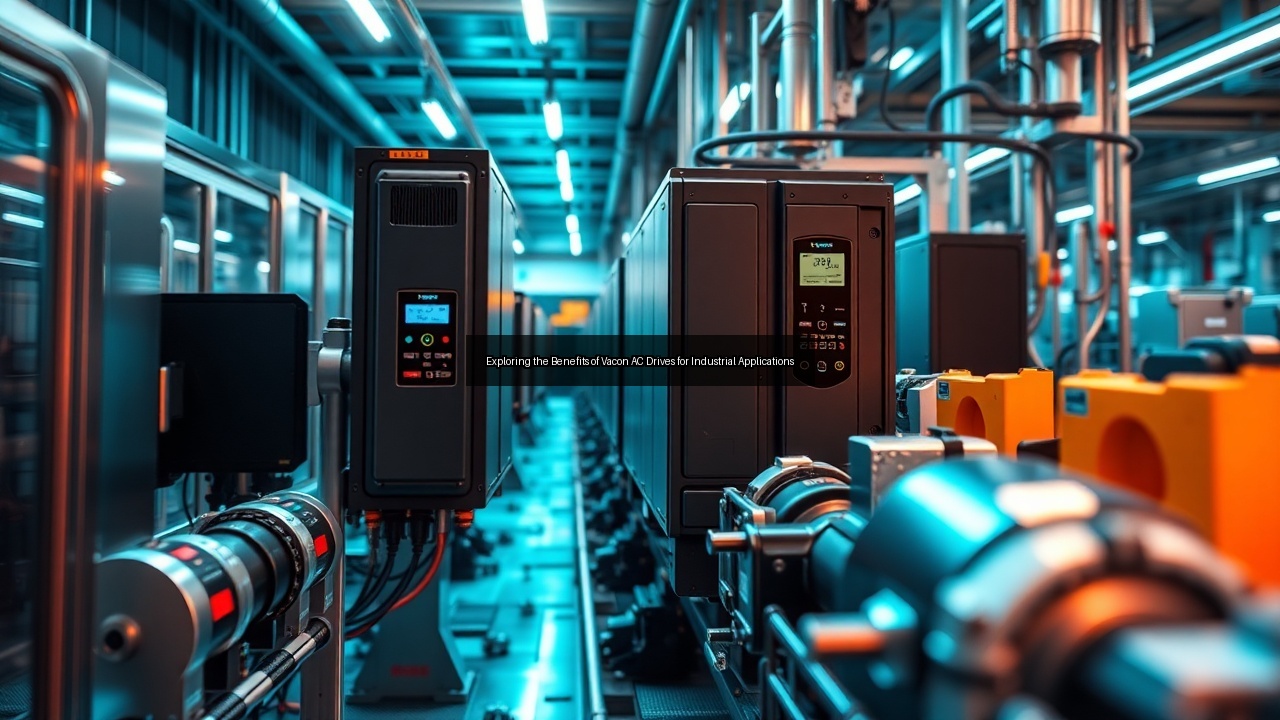
AC drives regulate the speed and torque of electric motors by adjusting the frequency and voltage supplied to them. Operators rely on these devices to match motor output precisely to load demands in factories and processing plants. Vacon ac drives deliver this control through compact designs that fit easily into existing panels. Technicians appreciate the straightforward setup that reduces installation time. The technology minimizes mechanical stress on motors during starts and stops, which extends equipment life. Plants that adopt vacon drives report smoother operations across multiple production lines. Engineers select these units when they need reliable performance under varying conditions without constant manual adjustments.
The Role of Vacon in the Market
Vacon established itself as a dedicated supplier of ac drive solutions focused on industrial needs. The company built its reputation through consistent delivery of robust products that handle demanding environments. Facilities choose vacon drives because they integrate seamlessly with a wide range of motor types. Market analysts note that vacon maintains strong presence by offering scalable options from small pumps to large compressors. Service teams value the diagnostic tools built into each unit, which speed up troubleshooting. Competitors often reference vacon innovations when updating their own lines. This positioning keeps vacon drives relevant for operators seeking proven technology backed by responsive support.
Overview of Variable Frequency Drives (VFDs)
Variable frequency drives convert fixed-frequency power into adjustable output that controls motor speed. A variable frequency drive achieves this conversion through power electronics that switch rapidly and accurately. Vacon drives incorporate these principles while adding user-friendly interfaces for quick parameter changes. Maintenance crews monitor VFD performance through built-in displays that show real-time data. The approach reduces energy waste compared with older throttling methods. Industries apply variable frequency drives to fans, pumps, and conveyors where load varies throughout shifts. Vacon solutions stand out for their ability to maintain stable operation even when input power fluctuates.
Key Benefits of Vacon AC Drives
Energy Efficiency and Cost Savings
Vacon ac drives cut electricity use by matching motor speed to actual process requirements. Operators see immediate drops in power bills after installation because motors no longer run at full speed during light loads. Facilities track savings through simple metering that compares before-and-after consumption data. Vacon drives include automatic energy optimization routines that fine-tune output without operator input. Maintenance budgets shrink as well since reduced operating hours lower wear on bearings and windings. Plant managers calculate payback periods often measured in months rather than years. The combination of lower energy costs and extended motor life makes vacon drives a direct contributor to operational efficiency.
Enhanced Motor Control and Performance
Precise speed regulation from vacon drives improves product quality in processes that demand consistent output. Motors respond instantly to command changes, which eliminates overshoot common in older control schemes. Technicians program acceleration and deceleration ramps to protect connected equipment from sudden shocks. Vacon ac drives support multiple control modes that adapt to different motor types without extra hardware. Performance data logged by each unit helps engineers identify optimization opportunities. This level of control reduces downtime caused by overload trips or speed mismatches. Operators gain confidence when motors driven by vacon drives maintain setpoints across wide load ranges.
Improved HVAC System Functionality
HVAC systems equipped with vacon drives adjust fan and pump speeds to match building demand in real time. This capability prevents overcooling or overheating that wastes energy in commercial facilities. Facility teams program schedules directly into the drive interface to align with occupancy patterns. Vacon ac drives reduce noise levels by eliminating the constant high-speed operation typical of fixed-speed motors. Integration with building management systems occurs through standard communication protocols. Maintenance staff notice fewer filter changes and coil cleanings because airflow stays balanced. The result is comfortable indoor environments achieved with lower operating costs across heating and cooling seasons.
Applications of Vacon Drives in Industry
Use in Electric Motors
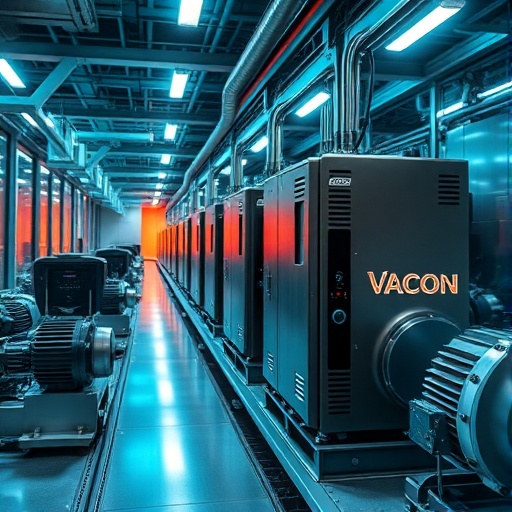
Electric motors paired with vacon drives operate at the exact speed required by the application. This match prevents excess heat generation that shortens insulation life in continuous-duty cycles. Production lines benefit when motors start smoothly and reach target speeds without mechanical shock. Vacon ac drives handle both induction and permanent-magnet motors through simple parameter selection. Field technicians replace older starters with these drives to gain speed control and diagnostic feedback. The approach improves throughput because motors accelerate and decelerate according to process timing rather than fixed limits. Reliability increases as each motor receives only the power it needs at any moment.
Integration with Actuators
Actuators driven by vacon drives position valves and dampers with repeatable accuracy. Process engineers program position commands that the drive executes through closed-loop feedback. This integration replaces separate positioners and reduces wiring complexity in control cabinets. Vacon ac drives supply the necessary torque at low speeds to hold positions against process pressure. Operators monitor actuator status through the same interface used for motor speed. Downtime drops because the drive detects mechanical binding before it causes failure. The combination supports precise flow regulation in chemical, water, and manufacturing plants where consistent actuator response matters.
Impact on Variable Speed Drives
Variable speed drives built by vacon deliver flexible operation that traditional fixed-speed systems cannot match. Plants convert constant-speed motors to variable speed operation by adding these drives, which immediately improves process control. Engineers appreciate the built-in motor protection features that prevent damage during voltage sags or phase loss. Vacon drives communicate with upstream controllers to coordinate multiple motors on shared process lines. The result is tighter production tolerances and reduced scrap rates. Maintenance records show fewer unplanned stops after variable speed drives replace across-the-line starters. Facilities continue to expand their use of these drives as energy costs rise and production targets tighten.
Comparing Vacon Drives with Other AC Drive Solutions
Vacon vs. Traditional Drives
Traditional ac drives often require external filters and braking resistors that vacon units integrate internally. This design choice simplifies installation and lowers cabinet space requirements. Operators find vacon drives easier to commission because parameter sets come preloaded for common applications. Traditional models frequently need additional programming steps that increase startup time. Vacon ac drives maintain higher efficiency across partial load conditions where older drives lose performance. Service logs indicate that vacon units require fewer firmware updates to remain compatible with modern networks. The differences add up to lower total ownership costs when plants compare side-by-side performance data.
Advantages Over Competitors
Competitor drives sometimes limit customization options that vacon drives make available through open parameter structures. Engineers configure vacon units to match unique process sequences without proprietary software licenses. Vacon ac drives support a broader range of communication protocols out of the box. This flexibility reduces the need for protocol converters when connecting to existing plant networks. Field reports highlight faster response times from vacon technical support during commissioning issues. The company updates product lines regularly based on direct customer input rather than generic market trends. These advantages keep vacon drives competitive when procurement teams evaluate multiple bids.
Case Studies and Success Stories
A food processing plant replaced aging starters with vacon drives on its conveyor motors and recorded a 22 percent reduction in energy use within the first quarter. Maintenance teams documented fewer belt replacements because motors now ramp up gradually. A water treatment facility installed vacon ac drives on its pump stations and achieved stable pressure control without constant valve throttling. Operators noted quieter pump rooms and extended seal life. Another manufacturer integrated vacon drives with existing actuators and cut positioning errors by half. These documented outcomes demonstrate how targeted application of vacon drives produces measurable gains across different sectors.
Future Trends in AC Drive Technology
Advancements in Vacon Drive Features
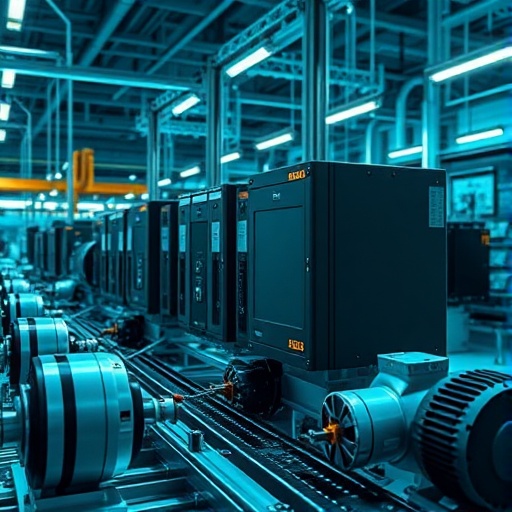
Vacon continues to add predictive maintenance capabilities that analyze motor current signatures for early fault detection. New firmware releases expand the range of supported motor types and control algorithms. Engineers expect vacon drives to incorporate wireless commissioning tools that reduce wiring during initial setup. The company tests higher power densities that allow smaller enclosures without sacrificing performance. These feature updates keep vacon ac drives aligned with evolving plant automation requirements. Operators gain access to cloud-based dashboards that aggregate data from multiple drives for system-level optimization. The pace of development reflects direct feedback from industrial users who demand both reliability and expanded functionality.
Sustainability and Environmental Impact
Vacon drives contribute to sustainability goals by lowering the carbon footprint of motor-driven systems. Reduced energy consumption directly decreases emissions from power generation. Manufacturers design newer vacon ac drives with recyclable materials and lower standby losses. Facilities track environmental metrics through the same interfaces used for performance monitoring. Compliance with tightening efficiency regulations becomes simpler when vacon drives replace older equipment. The focus on sustainability extends to packaging and shipping practices that minimize waste. Operators who prioritize environmental performance select vacon drives as part of broader initiatives to reduce resource use.
The Evolving Role of Variable Frequency Drives
Variable frequency drives continue to expand beyond basic speed control into integrated process optimization. Vacon drives already combine motor control with power quality functions that stabilize plant electrical systems. Future models will likely include direct sensor inputs that eliminate separate controllers for certain applications. The role of variable frequency drives grows as industries pursue higher automation levels with fewer dedicated hardware components. Vacon positions its products to support these trends through modular designs that accept future expansions. Plants that standardize on vacon drives today gain a platform ready for tomorrow's requirements without full replacement. This forward compatibility strengthens the long-term value of each installation.