How to Properly Store Low-Hydrogen Electrodes Using Flux Ovens
Key Takeaways
- Correct techniques for loading flux ovens
- Regular upkeep tips for flux ovens
- Typical errors to steer clear of in electrode storage
- Solutions for addressing storage issues
- Advantages of effective electrode storage
Proper Loading Procedures for Flux Ovens
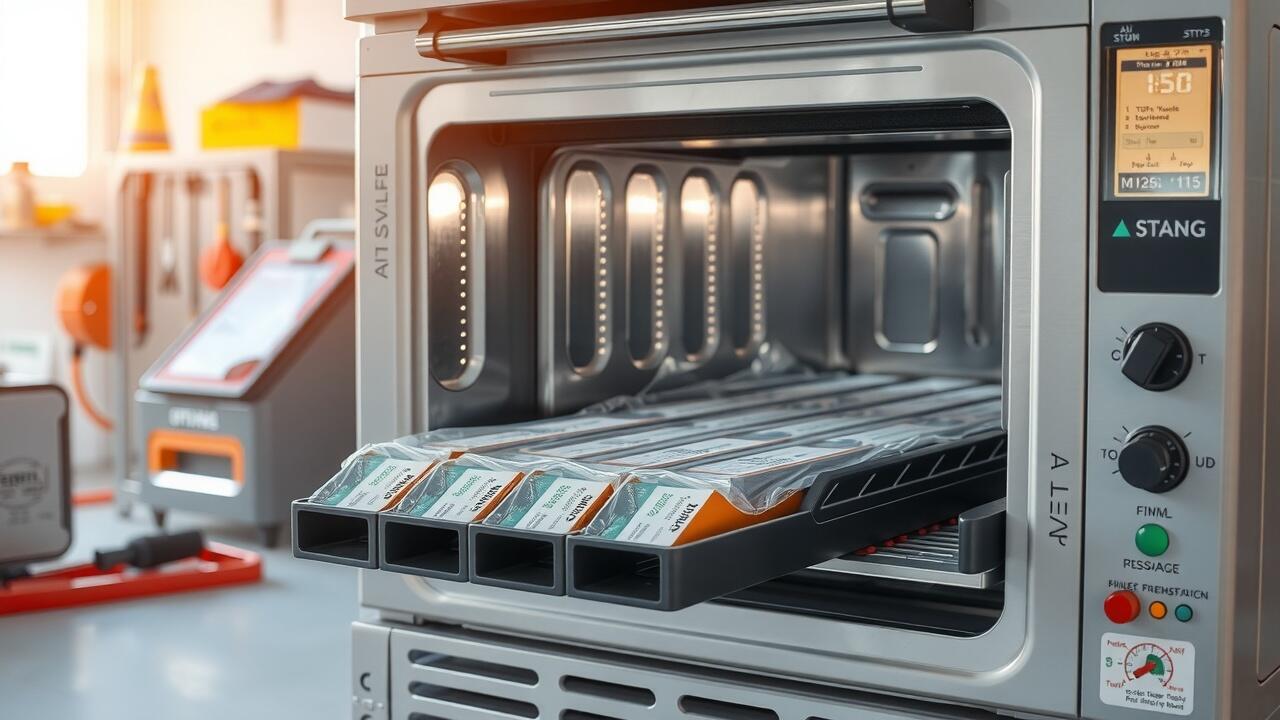
When loading electrodes into a flux oven, organization is key to ensuring proper function. Arrange the electrodes in a way that minimizes stacking, which can restrict air circulation and lead to uneven heating. For instance, placing low-hydrogen electrodes with sufficient space in between allows for effective temperature control and reduces the risk of moisture absorption. Ideally, employ a flux hopper to assist in maintaining an orderly setup while keeping the electrodes accessible during operation.
Regularly checking the loading procedure is vital for maintaining electrode quality. Use temperature and humidity indicators within the flux holding oven to monitor the internal environment consistently. Following guidelines set by the American Welding Society can enhance your loading methodology, significantly impacting the integrity of the stored electrodes. If you find that some electrodes have been exposed to unsuitable conditions, consider a more stringent protocol for loading to mitigate future risks.
What Are the Best Practices for Loading Electrodes?
When loading electrodes into a flux oven, always begin with the right preparation. Load only the required amount to minimize exposure to air. Consider using a flux hopper for easy access and to streamline your workflow. This can prevent contamination and keeps the environment cleaner. Proper spacing between the electrodes is crucial, too; too close together can lead to overheating and potential damage during the heating cycle.
Always monitor the temperature settings according to the manufacturer's guidelines. Generally, keeping the flux oven temperature between 250°F and 300°F is the sweet spot for maintaining electrode integrity. All electrodes have specific drying times, often around two hours, so be sure to adhere to those recommendations. Regularly inspect your electrodes upon loading for any signs of wear or damage. Keeping a log of your loading practices can help identify patterns that may lead to issues down the line.
Routine Maintenance of Flux Ovens
Regular checks on your flux oven can dramatically reduce the risk of inconsistencies in electrode performance. For instance, inspecting the flux hopper to ensure there’s no clogging or dust buildup helps maintain optimal conditions for the electrodes. A good practice is to clean the oven weekly, particularly around high-use periods. This proactive approach can extend the lifespan of your equipment and keep your electrodes in prime condition, avoiding unnecessary downtimes.
Adhering to routine maintenance guidelines also allows you to identify anomalies early. Monitoring temperature settings within the flux holding oven is crucial; fluctuations outside the recommended range can lead to moisture absorption in electrodes. Additionally, ensuring that the seals on the welding flux oven are intact prevents external interference during electrode storage. Implementing a log for maintenance checks not only tracks your efforts but also serves as a useful reference for troubleshooting issues down the line.
How Can Regular Checks Prevent Electrode Damage?
Regular checks on flux ovens and their components play a critical role in ensuring the longevity and quality of low-hydrogen electrodes. A well-maintained flux holding oven can prevent electrode exposure to moisture, which is crucial since excessive humidity can lead to hydrogen embrittlement during welding. Adhering to manufacturer guidelines, inspecting temperature settings, and confirming that the flux hopper is clean can minimize the risk of damage. For instance, conducting checks every two weeks can ensure that any fluctuations in temperature are detected early, thereby reducing the chances of compromised electrode performance.
Additionally, monitoring the environment surrounding the flux oven adds another layer of protection. Dust, dirt, and other contaminants can significantly affect electrode quality over time. Regularly cleaning the welding flux oven and ensuring optimal airflow can help eliminate these risks. Documenting inspection results and maintenance activities can guide future decisions on equipment upgrades or replacements, ensuring that operators are always working with efficient, effective tools. Implementing a proactive maintenance schedule is not just a good practice; it is essential for maintaining the integrity and reliability of your welding operations.
Common Mistakes to Avoid in Electrode Storage
Storing low-hydrogen electrodes isn’t just about keeping them in a dry place. One common mistake is failing to maintain the appropriate temperature in the flux oven or holding oven. Industry standards suggest keeping the oven at 250°F to 300°F for optimal results. Ignoring this can lead to moisture absorption, which significantly diminishes the electrode's performance. Customers often report issues with arc stability when electrodes aren’t kept at those recommended temperatures.
Another classic blunder happens with loading techniques. Proper spacing and orientation in the flux hopper or saw flux oven play a critical role in airflow and even heating. For instance, overcrowding can cause uneven heat distribution, leading to some electrodes drying out while others still retain moisture. Stacking them haphazardly may block air circulation, resulting in poor welding conditions later on. Regular training for personnel on these best practices can mitigate these problems and ensure that the electrodes remain in pristine condition.
What Issues Can Arise from Improper Storage?
Improper storage of low-hydrogen electrodes can lead to significant problems during welding. If electrodes absorb moisture, they lose their effectiveness and can produce poor-quality welds. A common issue arises when electrodes are left in a flux holding oven at incorrect temperatures for extended periods. Many professionals recommend keeping the oven at a steady 250°F to effectively control humidity levels. When temperatures drop or fluctuate, electrodes may become unserviceable because the moisture content can interfere with the welding process, potentially leading to cracks and porosity in welds.
Another issue stemming from inadequate storage practices is electrode contamination. Dust or rust can accumulate on the electrodes if not properly sealed in a flux hopper or other storage containers. The presence of these contaminants can negatively impact the arc stability and the integrity of the weld. For instance, using contaminated electrodes can introduce impurities into the weld metal, affecting its strength and overall quality. Implementing strict storage protocols is essential; regularly scheduled maintenance of the flux oven can help avoid these complications.
Troubleshooting Storage Problems
When dealing with storage problems, identifying the symptoms is crucial for a swift resolution. For instance, if you notice excessive moisture buildup in a flux oven, it may indicate a malfunction in temperature regulation or improper sealing of the equipment. A common mistake is neglecting to regularly inspect the flux holding oven for signs of wear and tear. Routine checks can help you catch these issues early, preventing damage to low-hydrogen electrodes that require strict adherence to humidity and temperature specifications.
Another potential issue arises with improper loading techniques, especially within a saw flux oven or other storage devices. For example, overloading the flux hopper can lead to uneven heating and compromised flux quality. Storing electrodes in unsealed containers creates an environment where moisture can seep in easily, so always ensure that you use airtight packages. Implementing a systematic approach to troubleshooting, from documenting temperature fluctuations to monitoring humidity levels, can significantly enhance the longevity and performance of your stored electrodes.
How Can You Identify and Fix Storage-Related Issues?
Identifying storage-related issues with low-hydrogen electrodes often begins with a close examination of your flux oven settings. Check the temperature and humidity levels regularly, as deviations from the recommended parameters can lead to moisture and contamination. A common pitfall is neglecting to clean the flux hopper and its surrounding areas, which can introduce unwanted debris or moisture into the system. For instance, if moisture gets into a sealed storage container, it could compromise the integrity of the electrodes, leading to poor welding performance.
To fix these issues, focus on maintaining a disciplined routine for monitoring your equipment. Schedule monthly inspections of your flux holding oven and rectify any discrepancies in temperature or humidity promptly. Consider implementing a simple tracking system to log conditions over time; this can reveal trends that indicate when issues may be cropping up. Additionally, use moisture indicators in your storage setup that change color when humidity levels rise above acceptable thresholds, providing a visual cue for immediate action. Regular maintenance and vigilance can dramatically reduce the risk of electrode damage and improve overall welding quality.
Benefits of Efficient Electrode Storage
Efficient electrode storage offers both cost savings and improved welding quality. When low-hydrogen electrodes are properly stored in a welding flux oven, they retain their moisture content, ensuring optimal performance during applications. For instance, maintaining a consistent temperature of around 250°F in a flux holding oven can extend the shelf life of these electrodes significantly. This results not only in better welds but also fewer defects, translating to higher productivity levels on the job site.
Proper storage practices can help avoid material waste and reduce rework expenses. A well-organized flux hopper that allows for the easy retrieval of electrodes minimizes downtime and enhances workflow. Employing these techniques fosters a culture of safety and efficiency, which aligns with industry standards, such as AWS D1.1 for structural welding. Ultimately, efficient storage practices translate into tangible benefits, including increased profitability and elevated project deliverables.
FAQS
Why is it important to store low-hydrogen electrodes properly?
Proper storage of low-hydrogen electrodes prevents moisture absorption, which can lead to hydrogen embrittlement and affect welding quality.
What should I do if my flux oven isn’t heating properly?
Check the power supply and thermostat settings first. If everything looks good but it’s still not working, you might need to consult the manufacturer’s manual or reach out for professional help.
How often should I perform maintenance on my flux oven?
It’s a good idea to perform routine maintenance every few months or as specified in the manufacturer’s guidelines to ensure optimal performance.
Can I stack electrodes in the flux oven?
It’s best to avoid stacking electrodes as it can lead to uneven heating and potential damage. Always follow the recommended loading procedures for best results.
What are some signs that my electrodes may have been damaged due to improper storage?
Look out for cracking, discoloration, or a change in texture. If the electrodes feel damp or appear rusted, it's a clear sign that they’ve absorbed moisture and could be compromised.